

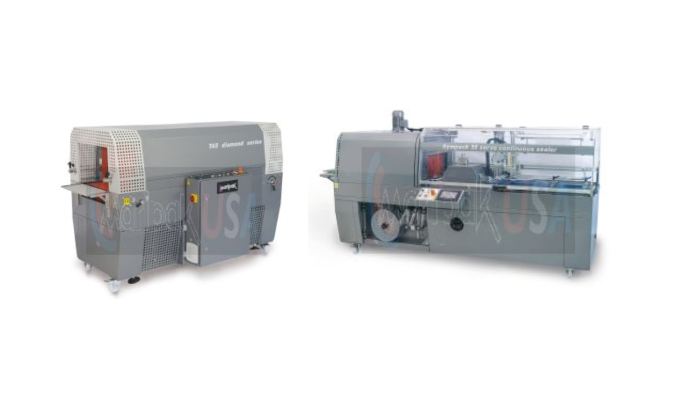
Industrial material handling has evolved significantly with the introduction of automated conveyor systems that streamline operations and reduce manual labor. A motorized belt conveyor represents one of the most practical innovations in this field, offering reliable transport of goods across manufacturing facilities, warehouses, and distribution centers. These systems eliminate the need for external power sources and provide consistent, controlled movement of products throughout production lines.
How Motorized Belt Conveyors Work
A motorized belt conveyor integrates an electric motor directly into the roller or drum, creating a self-contained propulsion system. This internal motor drives the belt without requiring separate motors, gearboxes, or complex drive arrangements. The design simplifies installation and reduces maintenance requirements compared to traditional conveyor systems.
The motorized roller contains a sealed motor, gearbox, and drive components within the cylinder itself. When powered, the internal motor rotates the drum, which moves the belt through friction contact. This compact design allows for flexible placement and eliminates external drive components that could obstruct workflow or create safety hazards.
Key Benefits of Motorized Belt Systems
Implementing a motorized belt conveyor delivers multiple operational advantages for industrial facilities. Energy efficiency ranks among the top benefits since these systems consume power only when actively moving products. The integrated motor design reduces energy waste compared to constantly running external motor systems.
Maintenance becomes significantly simpler because all moving components are enclosed within the roller. This protection from dust, debris, and moisture extends component lifespan and reduces downtime. The sealed design also minimizes lubrication requirements and eliminates exposure to hazardous materials that workers might encounter with external drive systems.
Space optimization is another critical advantage. Without external motors, gearboxes, or drive chains, motorized belt systems occupy less floor space while delivering equivalent or superior performance. This compact footprint allows facilities to maximize usable space and create more efficient layout configurations.
Applications Across Industries
Motorized belt conveyors serve diverse industries including food processing, packaging, e-commerce fulfillment, automotive manufacturing, and aerospace. Food processing facilities benefit from the easy-clean design and corrosion-resistant materials available in these systems. The sealed motor prevents contamination risks while meeting stringent hygiene standards.
E-commerce warehouses utilize motorized belt systems for sortation, order fulfillment, and packaging stations. The precise speed control enables accurate product positioning and reduces damage during handling. Adjustable speed settings allow operators to match conveyor performance with specific product requirements and workflow demands.
Safety and Operational Considerations
Modern motorized belt systems incorporate multiple safety features including overload protection, emergency stop capabilities, and thermal monitoring. The sealed motor design prevents accidental contact with moving parts, reducing workplace injury risks. Low-profile designs minimize trip hazards and improve overall facility safety compliance.
Proper installation and regular inspection ensure optimal performance throughout the system’s lifespan. While maintenance requirements are minimal compared to traditional conveyors, periodic checks of belt tension, roller alignment, and electrical connections prevent unexpected failures and maintain consistent operation.
Cost Savings and Long-Term Value
Beyond improving workflow efficiency, a motorized belt conveyor can help reduce long-term operating costs. Its energy-efficient design lowers power consumption, while the enclosed motor system minimizes wear and maintenance expenses. Fewer moving parts also mean fewer breakdowns and less downtime. Over time, these advantages contribute to higher productivity, lower repair costs, and a stronger return on investment for businesses that rely on continuous material handling operations.
Choosing the Right Motorized Belt Solution
Selecting an appropriate motorized belt system requires evaluating load capacity, belt width, speed requirements, and environmental conditions. Conveyor manufacturers like Maripak USA offer specialized solutions designed for specific applications and industry requirements. It is also important to consider future production needs to ensure the system can accommodate business growth. Choosing a conveyor with reliable performance and easy maintenance features can help maximize efficiency and reduce operational disruptions.
