

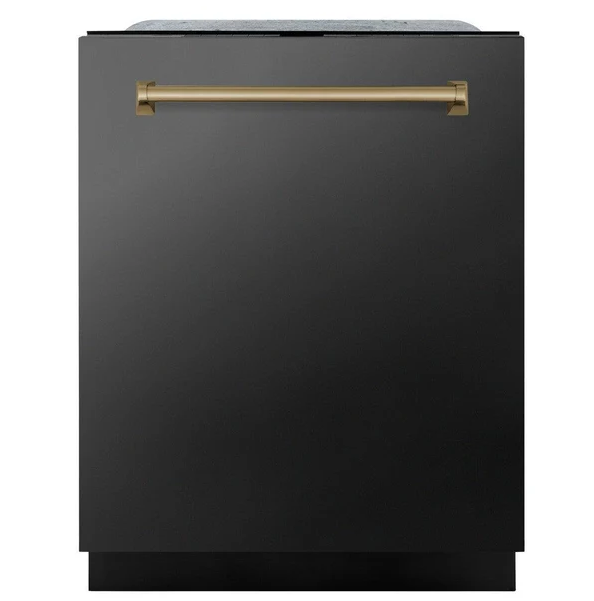
A dishwasher is no longer simply an appliance for rinsing and cleaning plates. Modern models can include specialized wash cycles, adjustable racks, quieter operation, advanced filtration, improved drying systems, and controls designed around convenience. Premium dishwashers generally occupy the higher end of the dishwasher market and may combine several of these features with upgraded materials and design.
However, a higher price does not automatically make one dishwasher better for every household. The most appropriate appliance depends on kitchen space, household size, cleaning habits, noise preferences, installation requirements, and desired features.
Understanding what separates premium models from basic options can therefore help homeowners make a more informed decision rather than choosing an appliance based only on appearance or price.
What Makes a Dishwasher Premium?
There is no single technical definition of a premium dishwasher. The term is generally used to describe appliances offering a combination of advanced features, materials, design, performance, or convenience.
Some premium models emphasize quiet operation, while others focus on flexible loading systems, specialized cycles, sophisticated drying technology, or integrated design.
Common features can include:
- Adjustable or flexible racks
- Third-rack storage
- Multiple wash programs
- Soil-sensing cycles
- Advanced filtration
- Stainless-steel interiors
- Enhanced drying systems
- Quiet operating performance
- Leak-detection technology
- Hidden or top-mounted controls
- Smart connectivity on selected models
Not every premium model includes all these features. Buyers should compare actual specifications rather than relying on the category label.
Why Is Dishwasher Noise Important?
Noise can become particularly noticeable in open-plan kitchens. A dishwasher operating close to living, dining, or working areas may be distracting if it produces substantial sound during its cycle.
Many higher-end dishwashers are designed with insulation and other construction features intended to reduce operating noise. Stainless-steel tubs, for example, can contribute to sound insulation and heat retention in some dishwasher designs.
When comparing premium dishwashers, homeowners should look at the manufacturer’s stated sound rating rather than assuming that a higher price always means quieter operation.
Noise preferences also depend on when the dishwasher is typically used. A household that runs it overnight may place greater importance on quiet operation than one that runs it during the day.
How Does Dishwasher Capacity Affect Your Choice?
Capacity should be matched to the number of people in the household and the amount of dishware generated between cycles.
Standard dishwashers are generally around 24 inches wide, while compact built-in models are commonly around 18 inches wide. Compact models can accommodate fewer place settings, making them more suitable for smaller kitchens or households.
A dishwasher with a third rack can provide additional space for utensils and smaller items. Adjustable racks can also make it easier to accommodate taller cookware, bottles, and unusual-shaped dishes.
Rather than selecting an appliance solely because it has a large advertised capacity, consider whether the internal layout suits the dishes you actually use.
What Are the Benefits of a Third Rack?
A third rack is positioned above the primary racks and is typically designed for smaller items such as cutlery, utensils, measuring spoons, and other difficult-to-place objects.
The additional level can free space in the lower racks for plates, bowls, and cookware. However, third-rack designs vary, and some may be more flexible than others.
Before choosing a model, inspect the rack configuration and determine whether it accommodates the utensils and kitchen tools commonly used in your household.
For people who frequently wash large utensils, a flexible third rack may offer more practical value than a decorative feature.
How Important Is the Dishwasher Interior?
The interior tub material can affect durability, cleaning maintenance, sound insulation, and heat retention.
Stainless-steel tubs are commonly associated with higher-end dishwashers, although other materials are also used. Some manufacturers use plastic or hybrid tub constructions depending on the model and price category.
A stainless-steel interior can also contribute to the overall appearance and construction of the appliance. However, consumers should still compare the complete specifications rather than assuming that one interior material automatically guarantees superior cleaning.
The spray-arm arrangement, filtration system, rack design, and wash cycles all contribute to the dishwasher’s performance.
What Are Sensor Wash Cycles?
Some modern dishwashers use sensors to assess the soil level of the water during a cycle. The dishwasher can then adjust aspects of the wash process according to the detected conditions.
ENERGY STAR notes that an auto-sensing cycle can use a soil sensor to determine whether water is dirty or clean, potentially helping the appliance manage water use while maintaining cleaning performance.
Sensor-based programs can be useful for households that wash loads with different levels of food residue.
However, specialized cycles should complement rather than replace sensible loading practices. Large pieces of food should be removed as appropriate, and dishes should be arranged so that water and detergent can reach their surfaces.
Does Drying Technology Matter?
Cleaning is only part of the dishwasher cycle. Drying performance can affect how convenient the appliance is to unload.
Different models may use different drying approaches. Some rely primarily on heated drying, while others use condensation-based methods, ventilation, fans, or combinations of technologies.
Plastic containers can be particularly challenging to dry because they retain less heat than ceramic or metal dishes. Therefore, households that frequently wash plastic food-storage containers may want to pay closer attention to drying specifications.
The best drying system depends on the types of dishes being washed and personal expectations about how dry items should be at the end of a cycle.
How Important Is Water and Energy Efficiency?
Efficiency should be considered alongside purchase price. A dishwasher that uses resources efficiently may reduce operating costs over its service life.
ENERGY STAR recommends checking the EnergyGuide label to compare energy use and estimated annual operating costs among similar dishwasher models. It also notes that compact-capacity dishwashers hold fewer place settings than standard-capacity models, meaning capacity should be considered alongside energy use.
Running the appliance with appropriately sized loads can also affect overall efficiency. A small dishwasher that needs to run several times to clean the same amount of dishes may not necessarily consume fewer resources overall.
What About Smart Dishwasher Features?
Some newer dishwashers offer smart connectivity, allowing users to monitor cycles or control selected functions through compatible devices.
Smart features can be convenient, but they should not be treated as essential for effective dishwashing. A homeowner who rarely uses connected-home technology may receive greater practical value from flexible racks, quiet operation, reliable cleaning, and strong drying performance.
Technology is most useful when it addresses an actual household need rather than simply adding complexity.
Are Luxury Dishwashers Worth the Price?
The term luxury dishwashers usually refers to models emphasizing premium materials, sophisticated styling, quiet operation, advanced controls, or additional convenience features.
Whether the additional cost is worthwhile depends on how much the homeowner values those improvements. For someone renovating a high-end kitchen, integrated appearance and quiet performance may be major priorities. Another homeowner may prefer a simpler appliance that delivers dependable cleaning at a lower initial cost.
It is therefore useful to compare features based on practical value rather than assuming that the most expensive option is automatically the best.
How Should You Measure for a Dishwasher?
Measuring the installation opening is essential before purchasing any dishwasher. A standard built-in dishwasher is generally around 24 inches wide, while compact models are commonly around 18 inches wide. Actual appliance dimensions can be slightly smaller than the nominal opening size.
Measure width, height, and depth carefully, and check door clearance. The space in front of the appliance matters because the door must open sufficiently for loading and unloading.
Water, drainage, and electrical connections should also be confirmed before installation. Manufacturer installation instructions should take priority over general measurements.
What Should You Check Before Buying?
Before purchasing premium dishwashers, compare the features that will have the greatest effect on daily use.
Consider:
- Interior capacity
- Rack flexibility
- Noise rating
- Wash-cycle options
- Drying performance
- Filtration
- Energy and water consumption
- Installation dimensions
- Warranty coverage
- Service availability
- Control design
It can also be useful to compare several models at different price points. This makes it easier to identify which features justify additional spending and which are less important to your household.
Conclusion
Premium dishwashers can offer a combination of advanced cleaning programs, flexible loading systems, quieter operation, refined construction, and added convenience features. However, the best appliance is ultimately the one that fits the kitchen and matches the household’s actual dishwashing habits. At Smart Home Luxury, we recommend comparing luxury dishwashers based on practical differences such as noise levels, rack flexibility, drying performance, capacity, energy efficiency, and installation requirements rather than focusing only on appearance.
If you are looking for a dishwasher for sale, measuring the available space and reviewing the manufacturer’s specifications should be among the first steps. A well-chosen dishwasher should provide reliable cleaning while fitting naturally into the kitchen’s layout and daily routine. By comparing performance, capacity, efficiency, construction, and useful features, homeowners can determine whether the additional cost of a premium dishwasher provides meaningful value for their needs. SmartHomeLuxury helps make that comparison easier by focusing on quality, functionality, and premium appliance options.
