

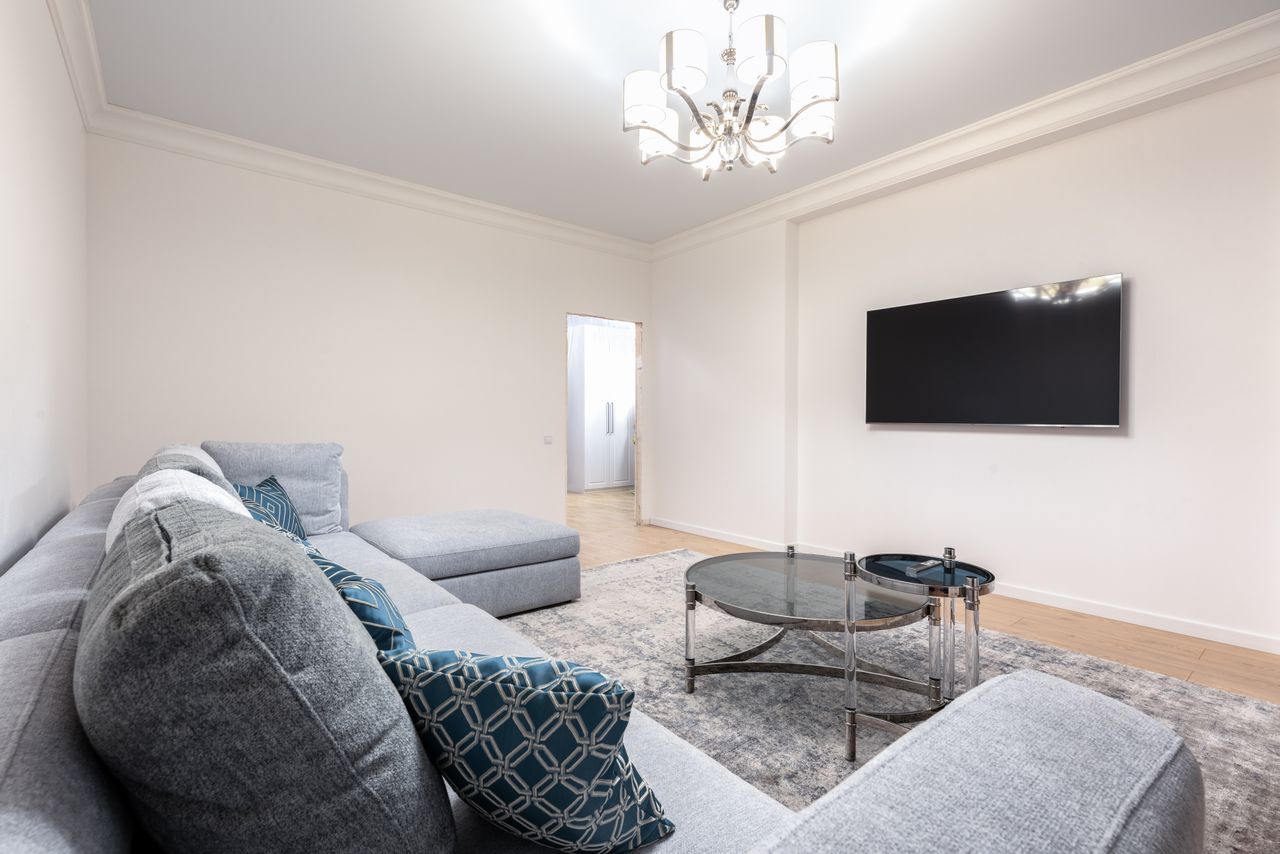
A comfortable living room does not need to be built around a complete matching furniture set. In many well-designed spaces, one distinctive piece provides the starting point, while the rest of the room supports it without competing for attention. That statement piece might be a sculptural coffee table, a richly upholstered sofa, an unusual accent chair, a large piece of artwork, or even a distinctive rug.
The challenge is creating balance. The room should feel intentional without looking overly coordinated. Comfort also matters just as much as appearance, particularly in a space used every day.
Start With the Statement Piece
Before choosing additional furniture, identify what makes the primary piece visually important. Consider its scale, shape, color, material, and overall character.
A large sectional, for example, already occupies significant visual and physical space. Smaller supporting pieces may work better than another oversized item. Conversely, if the statement piece is a compact accent chair, there may be more flexibility with the surrounding furniture.
The goal is not to make every item match. Instead, use the statement piece to establish a visual direction for the room.
Build a Practical Seating Arrangement
Once the focal point is established, arrange seating around how people will actually use the room. A comfortable layout should allow conversation without forcing people to twist around furniture or sit too far apart.
Measure the room before purchasing anything. Account for walking paths, doorways, windows, and architectural features such as fireplaces or built-in shelving. Furniture that looks appropriately scaled in a showroom can feel oversized once placed in a smaller living room.
When selecting supporting pieces, resources such as RC Willey can provide a useful reference for comparing different furniture sizes and styles before committing to a particular arrangement.
Leave Enough Breathing Room
Avoid filling every available section of floor space. Open areas help a living room feel less crowded and make everyday movement easier.
A useful arrangement usually includes a clear path through the room and enough space around tables and seating to move comfortably. The exact spacing depends on the furniture and room dimensions, but functionality should guide the layout rather than forcing furniture into predetermined positions.
Repeat Elements Without Matching Everything
A statement piece can become disconnected from the rest of the room if its characteristics appear nowhere else. Subtle repetition solves this problem.
For example, a dark wood coffee table can be echoed through a side table or picture frame. A muted blue sofa might be supported by blue-gray cushions or artwork. Metal details can appear in lighting, table legs, or decorative objects.
These repeated elements create visual continuity without requiring identical furniture.
Balance Color, Texture, and Scale
Comfort is partly visual. Rooms with only one texture or finish can feel flat, while too many competing materials can make the space appear busy.
Layer different textures through upholstery, rugs, curtains, wood, glass, and woven accessories. Keep the color palette relatively controlled, particularly when the statement piece already has a strong pattern or unusual color.
Scale deserves similar attention. A substantial sofa may need a larger rug and appropriately sized coffee table to prevent the room from feeling visually unbalanced. Small accessories should support the composition rather than disappear beneath larger furnishings.
Add Lighting for Everyday Comfort
Even a well-planned furniture arrangement can feel uncomfortable under poor lighting. Instead of relying on one overhead fixture, combine several light sources.
Floor lamps can illuminate seating areas, table lamps provide localized light, and accent lighting can highlight artwork or architectural details. Using multiple sources also allows the room to change with different activities, from reading to entertaining.
Common Questions About Statement-Piece Rooms
Does everything need to match?
No. Coordinating color, material, or proportion is generally more effective than buying identical furniture. A few shared characteristics can make different pieces feel connected.
Can a small room have a statement piece?
Yes, but scale becomes particularly important. A distinctive chair, lamp, artwork, or compact table may create visual interest without overwhelming the available space.
What if the statement piece is already colorful?
Keep surrounding elements comparatively restrained. Neutral upholstery, natural materials, and understated accessories can allow the focal piece to remain prominent while still making the room feel complete.
A comfortable living room ultimately depends on proportion, usability, and visual balance. Starting with one meaningful statement piece provides direction, but the surrounding furniture should earn its place through comfort and function. When those elements work together, the room can feel collected and personal rather than overly coordinated.
