

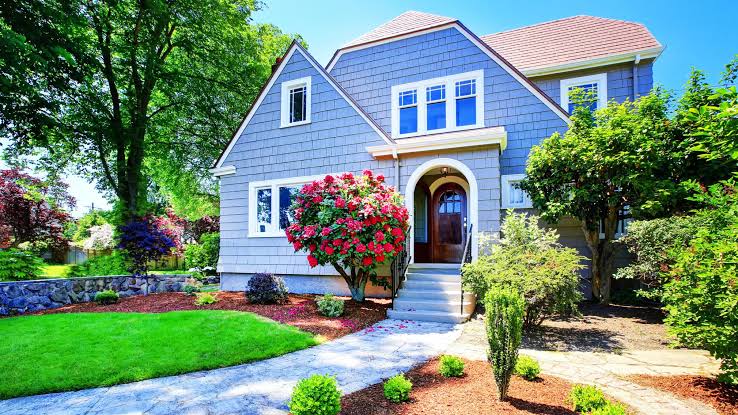
Curb appeal is not just a real estate term. For a restaurant, a clinic, a gym, a salon, or a retail store, the outside of the building is doing sales work every hour of the day, whether the owner thinks about it or not. People decide in seconds whether a place looks open, safe, and worth their money, and they decide from the car.
The good news is that most curb appeal problems are cheap to fix compared with almost any other way of winning a customer. Here are nine improvements that consistently earn back what they cost, ranked roughly from cheapest to most involved.
1. Wash the windows and the front door
Start with the free one. Fingerprints, dust, and water spots on glass make an open business look closed. Clean glass reads as bright and inviting from the street. Do it weekly, more often if you are near a busy road.
2. Fix the sign lighting
A sign with one dead letter or a flickering panel says “nobody is paying attention here.” Customers project that onto everything else, from food safety to whether the staff will care about their problem. Sign repairs are usually a few hundred dollars and the effect is immediate, especially for businesses that rely on evening traffic.
3. Restripe the parking lot
This is the fix owners overlook most and regret skipping most. Faded lines mean crooked parking, wasted spaces, and confused customers who sometimes just keep driving. Fresh, bright stripes make a lot look brand new even when the pavement is old, and they make the whole property feel organized.
It is also one of the least disruptive improvements available. Striping companies such as Swift Striping work overnight, so a lot that looked tired at closing time is crisp and dry when the doors open the next morning. For businesses in hot, sunny climates, ask for a two-coat, UV-resistant paint spec so the job lasts more than a single summer.
4. Repaint the curbs and mark the fire lane
Curb paint is the cheapest way to make a lot look freshly maintained. Red fire lanes, yellow no-parking zones, and blue accessible curbs also keep the lot orderly without adding a single sign. Many fire departments inspect fire lane markings, so this one carries a compliance benefit alongside the visual one.
5. Make accessible parking obviously accessible
Accessible stalls with a clear painted symbol, a marked access aisle, and a properly posted sign tell every customer, not only the ones who use them, that the business is thoughtful. They also protect you from complaints and fines. If your accessible spaces are faded or the signage is missing, handle it in the same visit as the restripe.
6. Add planters, not a landscaping project
A couple of large planters flanking the entrance with hardy, low-maintenance plants adds warmth for a modest cost. Skip anything that needs daily watering or that will grow into walkways. The goal is “cared for,” not “botanical garden.”
7. Replace the doormat and the trash cans
Small, cheap, and weirdly effective. A worn doormat and an overflowing bin near the door are the first two things a customer sees at eye level. Replace both. Empty the bins before they are full, not after.
8. Patch the pavement
A pothole at the entrance is an obstacle course customers do not want to run twice. Cold patch for small holes is inexpensive, and hot-mix repairs for larger sections cost far less than the full repave you will eventually need if water keeps getting into the base. Sealcoating every few years slows the whole decay process and makes the lot look darker and newer.
9. Light the lot properly
Evening customers avoid dark parking lots, and they do not tell you why they stopped coming. Walk your property after sunset. If any part of it feels uncomfortable, add or repair lighting there. Better lighting reduces slip-and-fall risk, discourages vandalism, and makes people feel safe walking from the car to the door. Insurers often reward it too.
Why these fixes pay for themselves
Every item on this list works on the same principle: customers judge the inside by the outside, and they do it before they have spent a dollar. A business that looks maintained gets the benefit of the doubt on price, quality, and service. A business that looks neglected has to earn back that trust from a deficit.
None of these require a renovation budget. Most can be done in a weekend, or in one overnight visit from a contractor. Start with the free ones, do the striping and curb paint next, and save the lighting for when the others are handled. Then take a photo of the building from across the street and compare it with one from before. The difference is usually bigger than you expect, and so is the effect on the people deciding whether to pull in.
