

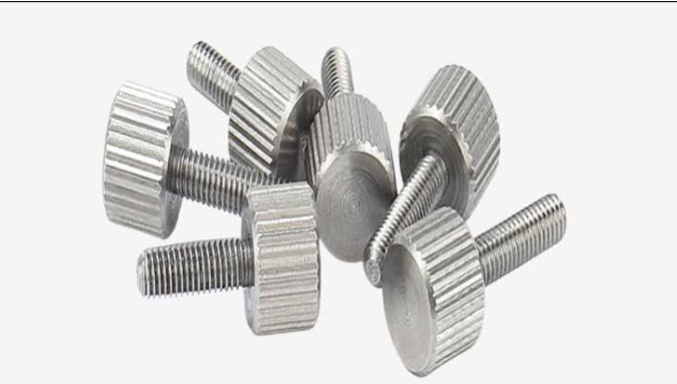
Industrial packaging equipment relies on many small mechanical components to maintain accurate movement, alignment, and reliable operation. Among these components, fasteners may seem simple, but selecting the correct screw is important because an unsuitable fastener can affect assembly strength, alignment, and maintenance requirements.
A screw must match the dimensions, thread specifications, head style, and application requirements of the equipment where it is installed. The 3M screw identified by part number 26-1003-7976-2, for example, is listed as a hex-head M10 × 35 mm fastener and categorized for machine and dispenser parts. Understanding specifications such as these can help maintenance personnel identify replacement fasteners more accurately and avoid compatibility problems.
Understanding Screw Dimensions
The first step in selecting a replacement screw is understanding its basic dimensions. Metric screws are commonly identified by designations that describe their nominal diameter and length. In an M10 × 35 mm screw, M10 indicates a nominal thread diameter of approximately 10 millimeters, while 3M screw represents the specified screw length.
Why Hex-Head Screws Are Useful
Head design influences how a fastener can be installed and serviced. Hex-head screws have six external sides that can be engaged with a suitable wrench or socket. This design provides a practical method for applying and removing torque during equipment assembly and maintenance.
For industrial machinery, accessibility is an important consideration. Packaging 3M screw equipment can contain assemblies where technicians need to remove or tighten fasteners during inspections, adjustments, or repairs. A hex-head configuration can make these maintenance tasks more straightforward when appropriate clearance is available.
Matching the Fastener to the Application
Packaging machinery operates through repeated mechanical cycles, meaning fasteners can experience vibration, movement, and changing loads. The correct replacement therefore needs to meet the mechanical requirements of the joint rather than simply fitting into the threaded opening.
Maintenance teams should check the equipment manual, parts list, or original fastener specifications before ordering a replacement. Manufacturer documentation can provide information about the correct part number, installation location, and associated hardware.
The Role of Proper Fastener Installation
Even when the correct screw has been selected, installation remains important. Fasteners should be installed using appropriate tools and procedures for the specific machine. Excessive tightening can damage threads or connected components, while insufficient tightening may allow unwanted movement.
Where the equipment documentation specifies a tightening torque, technicians should follow that value rather than relying solely on feel. The condition of related components should also be checked during replacement because damaged threads, worn holes, or missing washers can affect the performance of a properly selected screw.
Why Accurate Part Identification Matters
Industrial machinery can contain numerous fasteners that appear almost identical while differing in diameter, length, head style, thread type, or application. Substituting one without confirming its specifications can create unnecessary maintenance problems.
Considerations When Replacing Packaging Fasteners
Before purchasing a replacement screw, maintenance teams should compare several details. These include the original part number, nominal diameter, length, thread specification, head configuration, material or finish where specified, and the equipment model or assembly in which the fastener is used.
It is also important to inspect the surrounding assembly. A damaged mating thread or distorted mounting surface may require attention before a new fastener is installed. Simply replacing the screw may not resolve the underlying mechanical issue.
Conclusion
Reliable fastening is an important part of maintaining industrial machinery because even small components can influence the stability and alignment of larger assemblies. Correct dimensions, head design, thread compatibility, and installation practices all contribute to a dependable mechanical connection. When sourcing packaging equipment parts, maintenance teams should rely on exact specifications and equipment documentation rather than selecting replacements based only on appearance. Checking the original part number and dimensions can make replacement work more accurate while reducing the risk of compatibility issues. A systematic approach to fastener identification ultimately supports safer, more consistent, and more efficient packaging equipment maintenance.
