

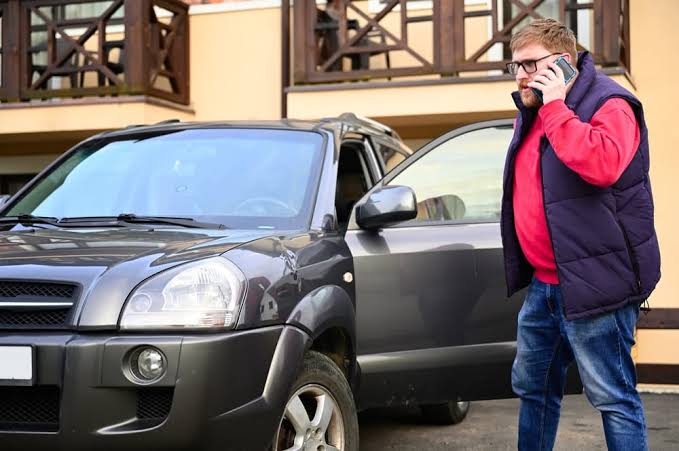
Buying a new vehicle is generally expected to provide reliability and peace of mind, but persistent defects can turn that expectation into an ongoing problem. When a vehicle has substantial issues that cannot be fixed after reasonable repair attempts, consumers may have legal remedies under state Lemon Laws. One such remedy is a Lemon Law Buyback, where the manufacturer takes back the defective vehicle and provides compensation to the eligible consumer according to applicable legal requirements.
What Is a Buyback?
A buyback occurs when the manufacturer agrees or is required to repurchase a vehicle that qualifies as a lemon. Eligibility depends on factors such as the nature of the defect, the number of repair attempts, the amount of time the vehicle has spent in the workshop, and the applicable state law.
The aim is to put the consumer in a position where they are no longer responsible for a vehicle that has significant, unresolved problems. However, not every mechanical issue automatically qualifies for a buyback.
How the Process Usually Begins
Keeping detailed records is important. Repair orders, invoices, emails, photographs, dates of service, and notes describing recurring problems can help establish what happened and how often the vehicle required attention.
If repairs do not resolve the problem within the required circumstances, the manufacturer may review the claim. Others may involve arbitration, legal proceedings, or another formal dispute-resolution process.
What Does the Manufacturer Pay?
The exact amount depends on the relevant law and the circumstances of the case. A buyback can generally involve reimbursement connected with the vehicle’s purchase, including certain taxes, fees, and other qualifying expenses.
There may also be deductions. For example, some laws permit a mileage-based deduction reflecting the consumer’s use of the vehicle before the defect was first reported. Outstanding finance must also be addressed, particularly where the vehicle was purchased using a loan.
What Happens to the Vehicle?
Once the buyback is completed, the manufacturer takes possession of the vehicle. The consumer typically returns the vehicle, keys, documents, and relevant equipment as required under the agreement.
The vehicle may subsequently be repaired, resold with appropriate disclosures, or otherwise handled according to state requirements. Branding or disclosure requirements may apply to inform future buyers about its history.
Why Documentation Matters
Strong documentation can make a substantial difference. Owners should retain every repair order and communication with the dealership or manufacturer. A simple timeline showing when defects appeared, when repairs occurred, and whether the same issue returned can make the circumstances easier to understand.
Understanding Margarian Law
Margarian Law is one example of a law firm that handles consumer-related vehicle disputes and Lemon Law matters. In situations involving a potentially defective vehicle, a legal professional can help consumers understand whether their circumstances meet the applicable requirements, assess available remedies, and navigate discussions with a manufacturer. The appropriate legal route can vary considerably between states.
Conclusion
A buyback can provide an important solution when a defective vehicle continues to cause problems despite repeated attempts at repair. Understanding eligibility, maintaining thorough records, and reviewing the applicable state requirements can help consumers make informed decisions carefully. Ultimately, a Lemon Law Buyback is not simply about returning a troublesome vehicle; it is a legal remedy designed to address qualifying defects and protect consumer rights.
