

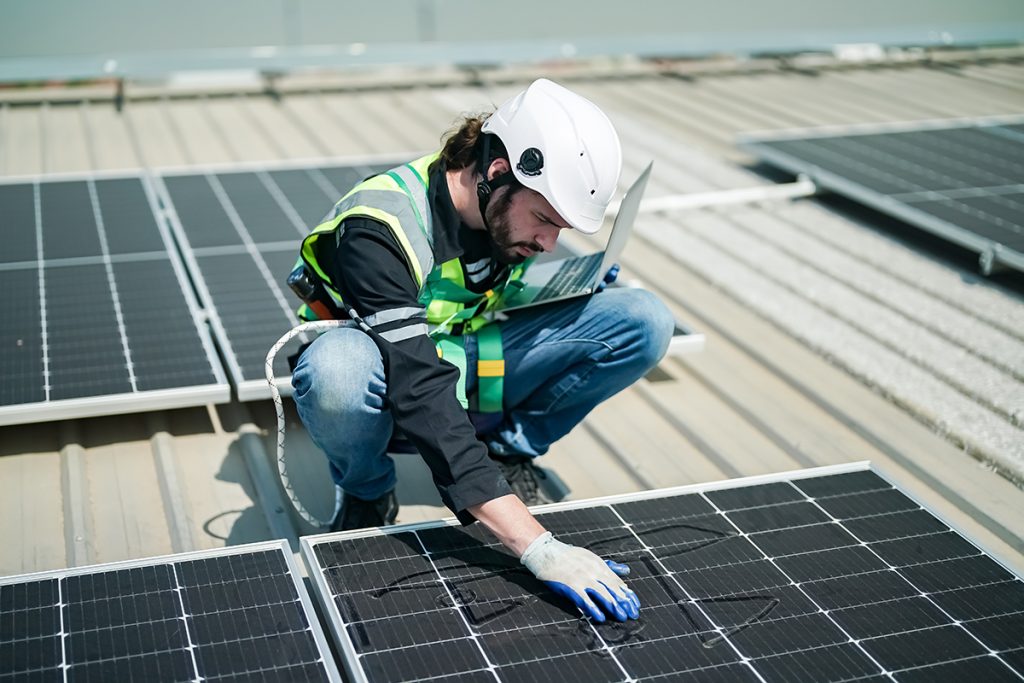
Solar installation projects involve equipment procurement, permitting, scheduling, site preparation, inspections, and crew coordination. A delay at any stage can affect the full project timeline, increase costs, and reduce team productivity. Professional solar installers can minimize disruptions through accurate planning, early equipment sourcing, clear communication, and proactive schedule management. Apply these practical strategies to reduce solar installation delays, protect project profitability, and keep your crews moving efficiently.
Confirm the Details Early On
Many project delays start before your crew even reaches the jobsite. Take time to review the project scope, site conditions, system design, permit requirements, and utility requirements well ahead of schedule. Confirm that the plans match the property, and identify any possible issues like roof conditions, needed electrical upgrades, difficult access points, or structural concerns. Doing these things early gives your team time to fix problems without disrupting the installation schedule.
Manage Equipment Stock and Shipments
Equipment availability can make or break your project timeline. Track solar panels, inverters, batteries, racking, wiring, and other equipment from the time they’re ordered until they reach the jobsite. Keep an accurate inventory system so you know what’s already in stock and what you need to order for the project. Verify that all components are accounted for instead of just assuming you have everything you need.
As soon as a shipment arrives, check it for any missing, incorrect, or damaged equipment so you can address the issues before installation day. It can also help to keep your own, reasonably sized stock of equipment you use frequently. This can help you avoid potential shortages on projects if your usual supplier has parts on backorder.
Schedule Crews and Subcontractors Carefully
Solar installation schedules rely on coordinated work from electricians, roofers, inspectors, subcontractors, and installation crews. Confirm each party’s availability before establishing a firm project timeline with the customer. Include reasonable scheduling buffers for inspections, weather, equipment delivery, and unexpected site conditions. This flexibility can reduce disruptions, protect installation deadlines, and keep the solar project moving when one phase takes longer than planned.
Communicate with Customers
Customers become far more frustrated by delays when they happen without explanation. Provide realistic timelines from the start, and communicate promptly if circumstances change and the timeline shifts. Avoid promising an exact completion date; instead, provide an estimated date range for project completion. Consistent communication can turn an unavoidable delay into a manageable inconvenience instead of a very angry customer interaction.
By keeping these tips in mind and working with a reliable solar inverter distributor, you can keep more projects on schedule and manage unavoidable delays more effectively.
