

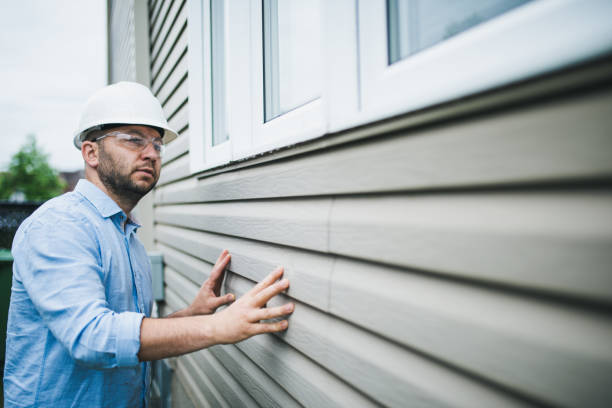
There was a time when a lot of buyers treated the home inspection as a quick formality, something to get through on the way to closing rather than a real part of the decision making process. That mindset has changed quite a bit in recent years. More buyers are asking detailed questions, requesting specialized add on inspections, and taking the whole process a lot more seriously than they used to. A big part of this shift comes down to a simple question that more people are asking earlier in the process: how much is a house inspection, and what am I actually getting for that money.
Rising Home Prices Have Raised the Stakes
When home prices climb, the cost of getting something wrong climbs right along with them. Buyers putting a large chunk of their savings into a purchase are naturally more cautious about what they’re actually buying. A few hundred dollars spent on a thorough inspection feels like a small price to pay when the alternative is discovering a serious problem after signing on a home that costs several hundred thousand dollars or more.
This shift in perspective has made buyers less willing to skip inspections just to save time or money, even in competitive markets where speed matters. The financial exposure of skipping an inspection has simply grown too large to ignore for most people.
More Access to Information Than Ever Before
Buyers today have access to far more information than previous generations did. Online resources, real estate forums, and social media have made it much easier for people to learn about common home problems, red flags to watch for, and questions worth asking before making an offer. This increased awareness naturally leads to more scrutiny during the buying process itself.
It’s also become more common for buyers to compare notes with friends or family who went through a bad experience after skipping or rushing an inspection. Stories about unexpected repair bills tend to spread quickly, and they’ve made a lot of buyers more cautious as a result.
A Wider Range of Properties Are Getting Closer Attention
This heightened attention isn’t limited to single family homes anymore. Condo home inspection requests have grown noticeably as buyers realize that shared buildings come with their own set of risks, from plumbing connected to multiple units to structural issues that affect more than just one owner. Buyers purchasing a unit in a larger building are increasingly aware that an inspection needs to look beyond just the walls of their own space.
This broader awareness reflects a general shift in how seriously buyers take due diligence, regardless of what type of property they’re purchasing.
Insurance Requirements Are Playing a Role Too
Insurance companies have also become more involved in shaping buyer behavior. Many insurers now require documentation on the condition of major systems before issuing a policy, particularly for older homes. Buyers who might have skipped certain inspection items in the past are now finding that skipping them isn’t really an option if they want affordable coverage after closing.
This has pushed buyers to think about inspections not just as a way to negotiate repairs, but as a necessary step toward securing insurance and understanding the true ongoing cost of owning a specific property.
Specialized Inspections Are Becoming More Common
Along with more general attention to inspections, buyers are increasingly asking for specialized add ons that used to be considered optional or unusual. Sewer scope inspections, radon testing, and mold assessments are showing up more often as standard parts of a buyer’s due diligence checklist rather than afterthoughts.
This trend reflects a broader understanding that a general inspection, while valuable, doesn’t cover everything. Buyers are learning that certain systems and risks require a more specialized look, and they’re willing to pay for that extra layer of confidence.
What This Means Going Forward
As buyers continue to educate themselves and take inspections more seriously, sellers and agents are adjusting too. Pre listing inspections have become more common as sellers try to get ahead of issues before they show up during a buyer’s due diligence period. This shift benefits everyone involved, since problems identified early tend to be easier and cheaper to resolve than ones discovered during a tense negotiation close to closing.
The Bottom Line
The days of treating a home inspection as a box to check are fading. Buyers are asking more questions, requesting more specialized inspections, and thinking more critically about what their money is actually buying, both in terms of the inspection itself and the property it covers. This shift reflects a smarter, more informed generation of buyers who understand that a thorough inspection isn’t an obstacle to closing a deal. It’s one of the best tools they have for protecting a major financial decision.
