

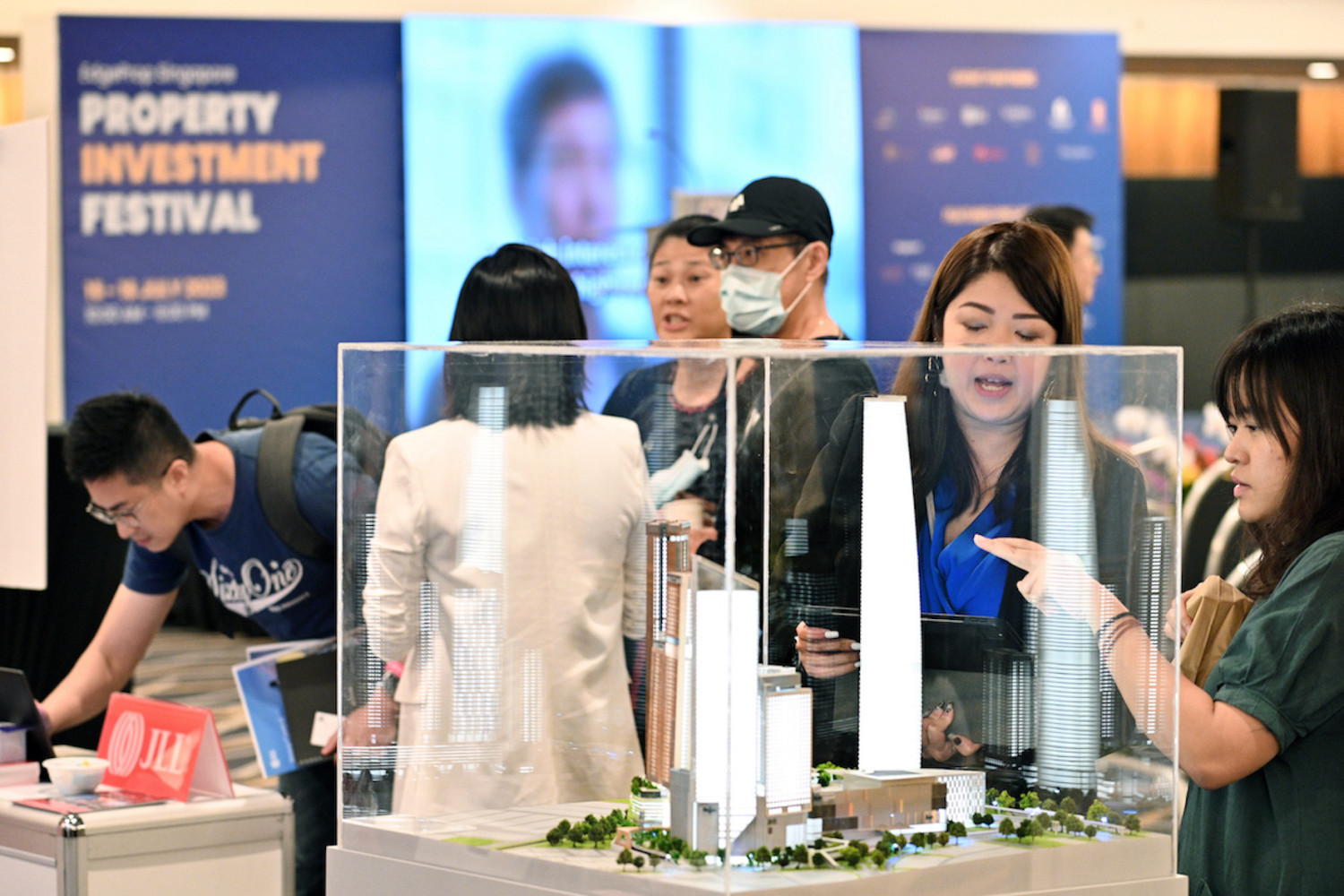
Singapore’s residential property landscape is undergoing a notable shift driven by targeted urban planning, decentralized growth, and changing buyer preferences. Homebuyers and real estate investors are no longer solely focused on the central business core. Instead, attention is moving toward well-connected regional hubs and specialized residential enclaves that offer long-term capital preservation, convenience, and direct contact with nature.
The Drive Toward Decentralization and Integrated Living
For decades, property value was strictly tied to proximity to the downtown core. However, the Urban Redevelopment Authority (URA) master plan has systematically shifted focus toward decentralized commercial nodes. Establishing regional centers allows residents to live, work, and play without commuting to the city center daily.
A major factor accelerating this shift is the rise of transit-oriented developments (TODs) and mixed-use residential projects. Properties that integrate residential spaces with ground-floor commercial units, retail outlets, or direct connections to major mass rapid transit (MRT) networks experience persistent demand. Developments like Lucerne Grand highlight how proximity to transport networks and integrated retail features can streamline daily routines for working professionals and families alike.
Core Benefits of Modern Housing Developments
- Enhanced Public Transport Access: Proximity to MRT lines and bus interchanges drastically cuts down commute times. As the rail network expands—with new links such as the Cross Island Line—connectivity across regional corridors continues to improve.
- Access to Top Educational Institutions: Families frequently prioritize properties within a 1-kilometer radius of established primary and secondary schools. Securing housing near reputable schools remains one of the strongest defenses against market downturns.
- Integration with Green Spaces: Modern buyers increasingly look for properties built near park connectors, national gardens, and nature reserves. Access to open air and natural recreational spaces directly enhances daily quality of life.
- Strong Rental Demand: Properties located near emerging business districts or reputable schools attract a consistent pool of tenants, ensuring steady yield for property investors.
Market Drivers Shaping Residential Preferences
Understanding what makes a residential zone appealing involves assessing both core location features and future precinct developments. Buyer decisions are currently shaped by two main structural categories: prestigious established enclaves and growing regional transformation zones.
Prime Residential Enclaves and Low-Density Living
Traditional prime districts, such as District 10 and the broader Bukit Timah corridor, continue to hold strong appeal for buyers focused on capital retention and privacy. These areas typically feature lower development densities, private landed housing, and proximity to green corridors.
Developments located within these quiet pockets offer an exclusive living environment while staying well-connected to major transport links. For instance, Amberwood at Holland represents the appeal of low-rise living tucked within established landed estates, providing a balance of suburban tranquility and straightforward access to central Singapore.
Regional Business Districts and Suburban Transformation
On the other end of the spectrum, suburban regions are undergoing significant upgrades. The growth of regional hubs—such as the Jurong Lake District—has created vibrant employment and commercial centers outside the downtown core. Residents in these areas benefit from new infrastructure investments, waterfront parkland revamps, and immediate access to large shopping centers.
Practical Challenges in Property Acquisition
While buying residential property offers long-term stability, buyers face distinct structural and financial challenges that require clear risk management.
- Cooling Measures and Regulatory Controls: Additional Buyer’s Stamp Duty (ABSD) rates remain a major consideration for second-time buyers and foreign investors. Staying within regulatory loan-to-value limits requires thorough capital planning.
- Interest Rate Volatility: Mortgage rates directly impact monthly holding costs. Buyers must stress-test their finances against potential interest rate hikes rather than borrowing at maximum capacity.
- Lease Decay for Leasehold Properties: While 99-year leasehold properties often provide higher initial rental yields, their value trajectory differs from freehold properties over long horizons. Buyers must align property tenure with their multi-decade financial goals.
- Supply Pipelines: Surrounding land sales by the government can introduce future competition. Understanding upcoming Government Land Sales (GLS) sites helps buyers anticipate potential supply changes in their specific neighborhood.
Key Market Trends to Watch
Looking ahead, several emerging patterns are defining how property developments are designed and evaluated.
- Efficient and Flexible Unit Layouts: Developers are prioritizing efficient floor plans that eliminate wasted space like long hallways. Multi-functional rooms that adapt to remote work needs have become a baseline expectation among buyers.
- Focus on Sustainability and Smart Systems: Energy-efficient lighting, natural ventilation designs, solar panels, and EV charging stations are transitioning from premium extras to standard features in new residential projects.
- First-Mover Advantage in New Planning Areas: Entering a newly released land parcel within an expanding precinct often allows buyers to capture capital growth as subsequent plots are released at higher land costs over time.
Final Thoughts
Navigating Singapore’s property market requires a clear focus on practical fundamentals rather than short-term market speculation. Priorities such as transit accessibility, nearby educational options, precinct growth potential, and individual holding capacity should always guide real estate decisions. By assessing both established prime enclaves and expanding regional hubs, buyers can choose a home or investment that aligns with their long-term lifestyle and financial objectives.
