

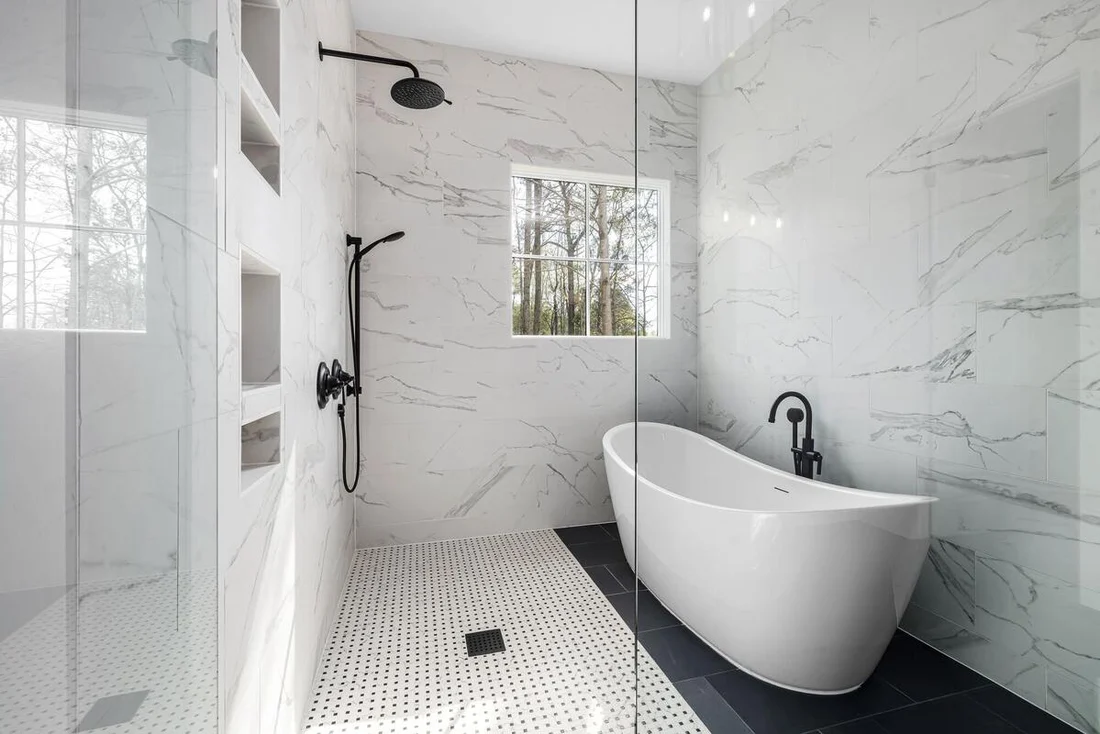
A beautiful bathroom is more than stylish tiles and modern fittings. What truly keeps it in good condition is proper waterproofing. Since bathrooms are exposed to water every day, even a small waterproofing mistake can lead to leaks, damp walls, mould, and costly repairs over time.
Many homeowners only notice a waterproofing problem when water starts seeping into nearby rooms or paint begins to peel. By then, fixing the damage can be expensive and time-consuming.
Here are some common bathroom waterproofing mistakes you should avoid to protect your home and save money in the long run.
Skipping Proper Surface Preparation
One of the biggest mistakes is applying waterproofing products on an unclean or uneven surface. Dust, grease, moisture, or loose cement can prevent the waterproofing layer from sticking properly.
Before applying any waterproofing solution, make sure the surface is clean, dry, and free from cracks. Any damaged areas should be repaired first to create a strong base for the waterproofing system.
Using the Wrong Waterproofing Product
Not every waterproofing product is suitable for every area. Bathrooms require products that can handle constant exposure to water and humidity.
Many homeowners think that regular paint is enough to stop water damage. In reality, waterproof paints are specially designed to resist moisture and help protect walls and ceilings from water seepage. Using the right waterproofing materials ensures better performance and longer-lasting protection.
Ignoring Wall Waterproofing
People often focus only on the bathroom floor, forgetting that walls are equally exposed to water. Shower areas, wash basins, and bathtubs regularly splash water onto the walls.
Without proper waterproofing, moisture can slowly enter the wall, causing damp patches, peeling paint, and mould growth. Applying waterproofing to both floors and walls creates complete protection against water damage.
Poor Sealing Around Fixtures
Small gaps around taps, shower fittings, drains, and pipes may not seem like a big problem, but they can allow water to seep behind the walls.
Over time, these hidden leaks can damage the wall structure and encourage mould growth. Always use high-quality sealants around bathroom fixtures and inspect them regularly for cracks or wear.
Not Paying Attention to Drainage Slope
A bathroom floor should always have the correct slope so water flows easily towards the drain.
If the floor is uneven, water can collect in corners or remain on the surface for long periods. Standing water increases the risk of seepage and weakens the waterproofing layer over time. Proper floor design is just as important as choosing the right waterproofing products.
Ignoring Early Signs of Dampness
Small damp spots or peeling paint are often ignored because they don’t seem serious. However, these are usually early warning signs of water leakage.
If left untreated, moisture can spread to nearby rooms, weaken walls, and lead to expensive structural repairs. Using reliable dampproof solutions at the first sign of moisture can help prevent bigger problems and protect your home’s interior.
Not Waterproofing Nearby Areas
Waterproofing should not stop at the bathroom alone. Areas directly above or next to bathrooms also need attention, especially in multi-storey homes.
For example, if your bathroom is located on the top floor, combining bathroom waterproofing with proper waterproofing for roof helps prevent rainwater and internal leaks from damaging the structure. A complete waterproofing approach provides better protection for the entire building.
Choosing Low-Quality Materials
Trying to save money by buying cheap waterproofing products often leads to higher repair costs later. Low-quality materials may crack, peel, or lose their effectiveness within a few years.
Investing in trusted waterproofing products and hiring experienced professionals can provide long-term protection and reduce maintenance expenses.
Skipping Regular Maintenance
Even the best waterproofing systems need occasional inspection. Sealants can wear out, grout can crack, and plumbing leaks may develop over time.
Checking your bathroom every few months for signs of moisture, loose tiles, or damaged joints can help you fix small issues before they become major repairs.
Final Thoughts
Bathroom waterproofing is an investment that protects your home from water damage, mould, and costly repairs. Avoiding common mistakes like poor surface preparation, using the wrong materials, ignoring dampness, or skipping maintenance can significantly extend the life of your bathroom.
Using high-quality waterproof paints, applying effective dampproof solutions, and considering waterproofing for roof where needed will help create a strong defence against moisture. With the right products and proper installation, you can enjoy a safe, dry, and durable bathroom for many years.
